

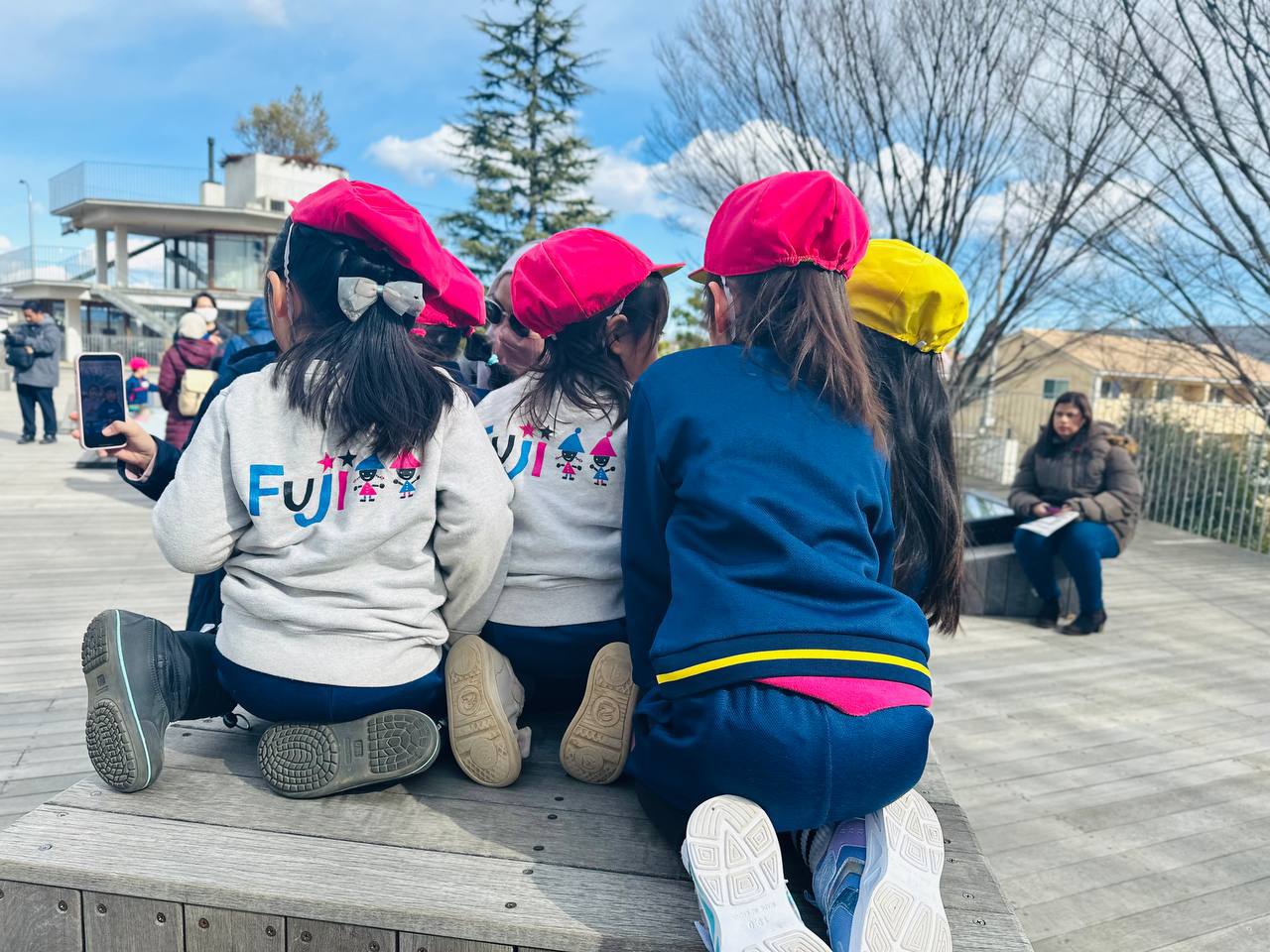
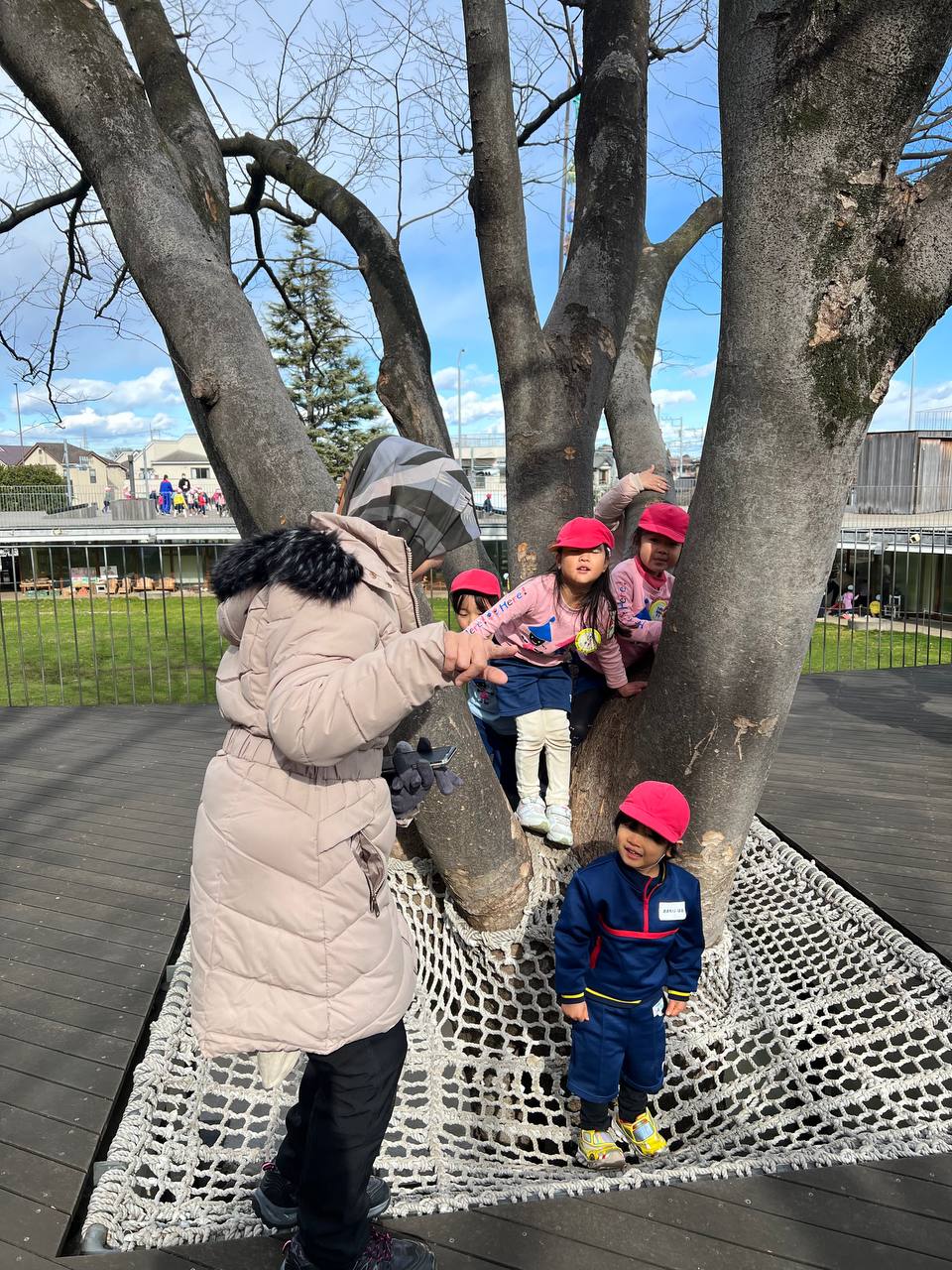
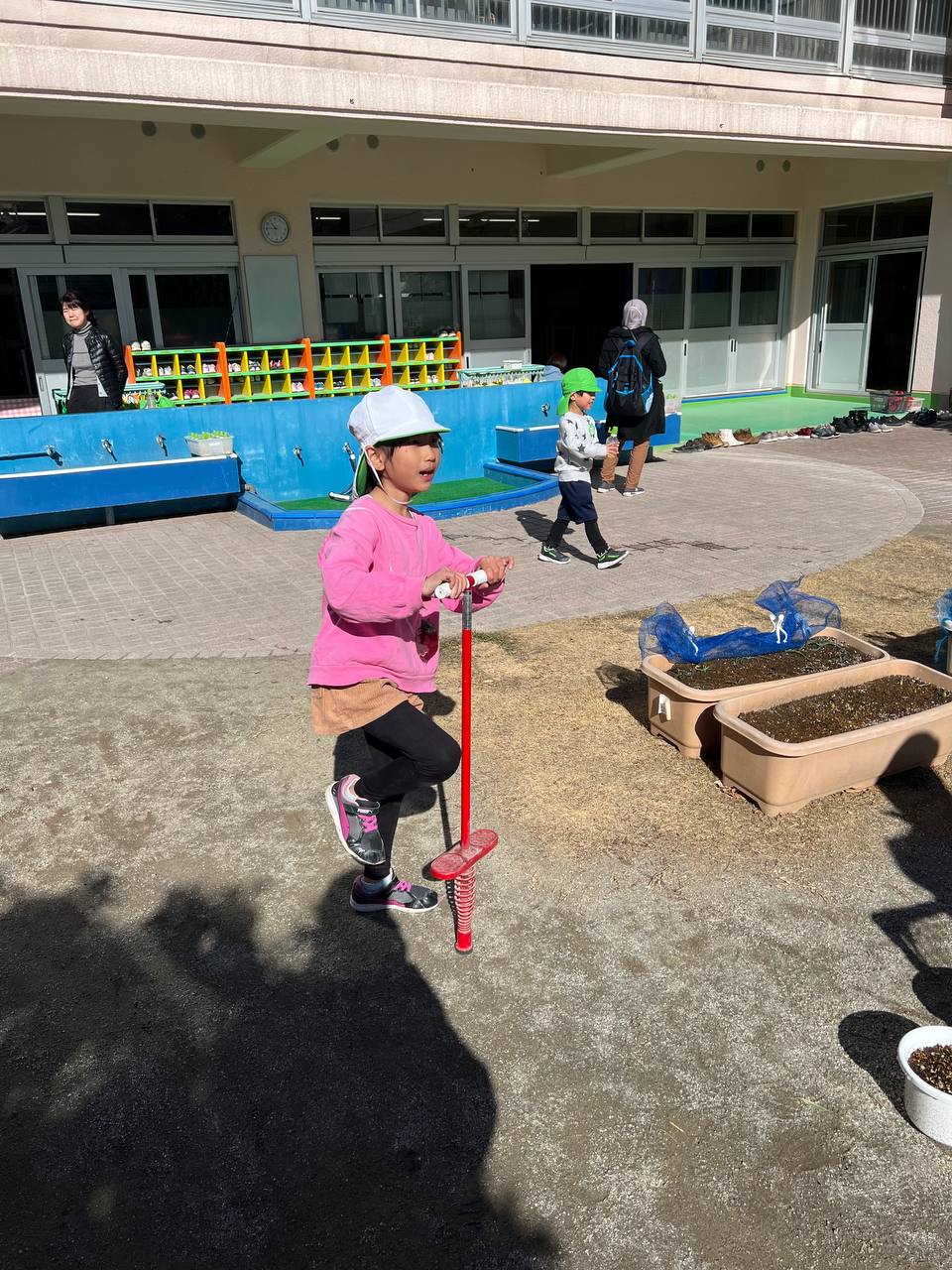
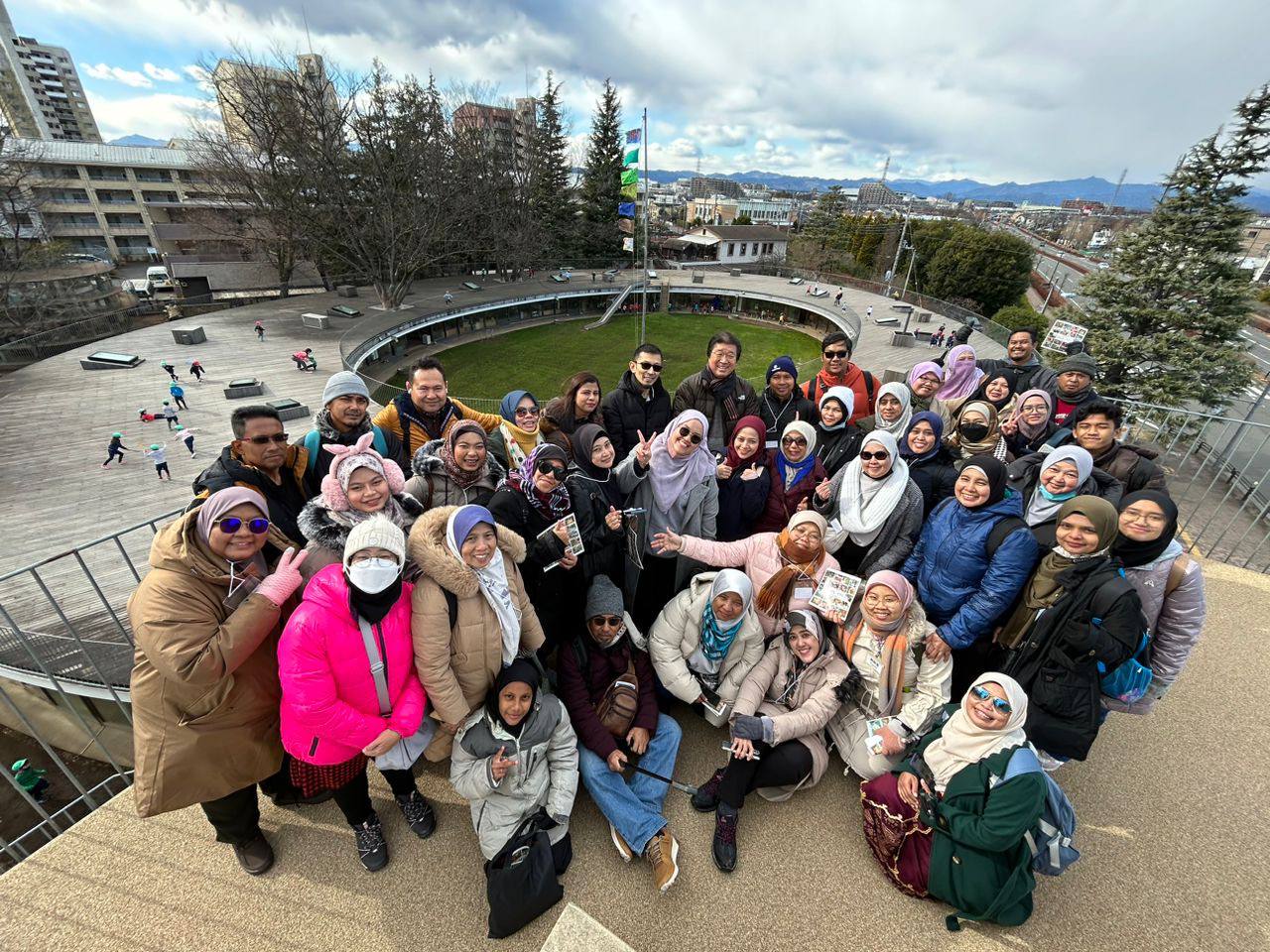
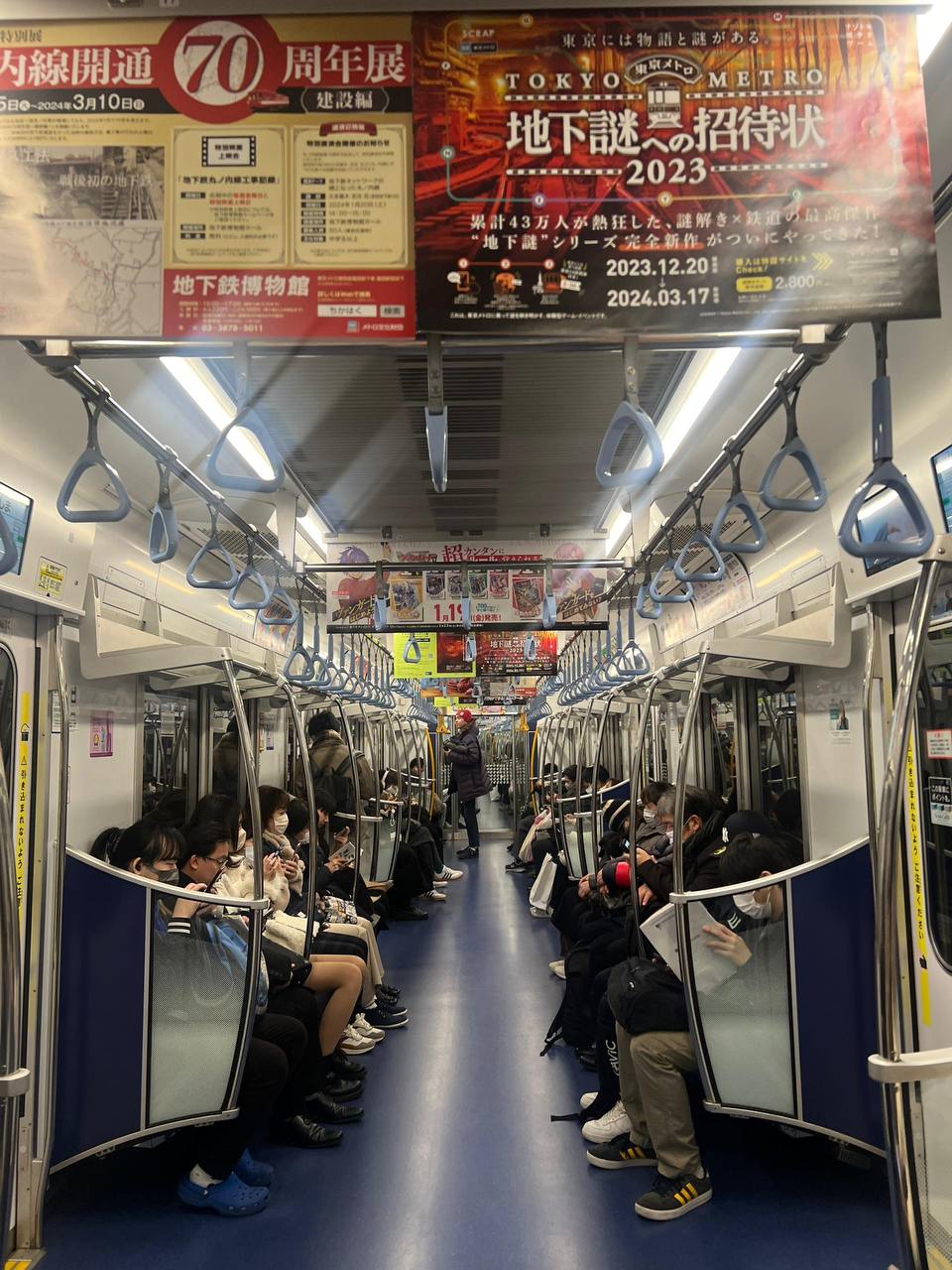
Earlier this year, as part of our commitment to provide the best educational experiences for our children, our staff had the opportunity to embark on an incredible journey to Japan, visiting renowned kindergartens and immerse themselves in a culture deeply rooted in respect, community, and innovation in early childhood education.
Schools visited:
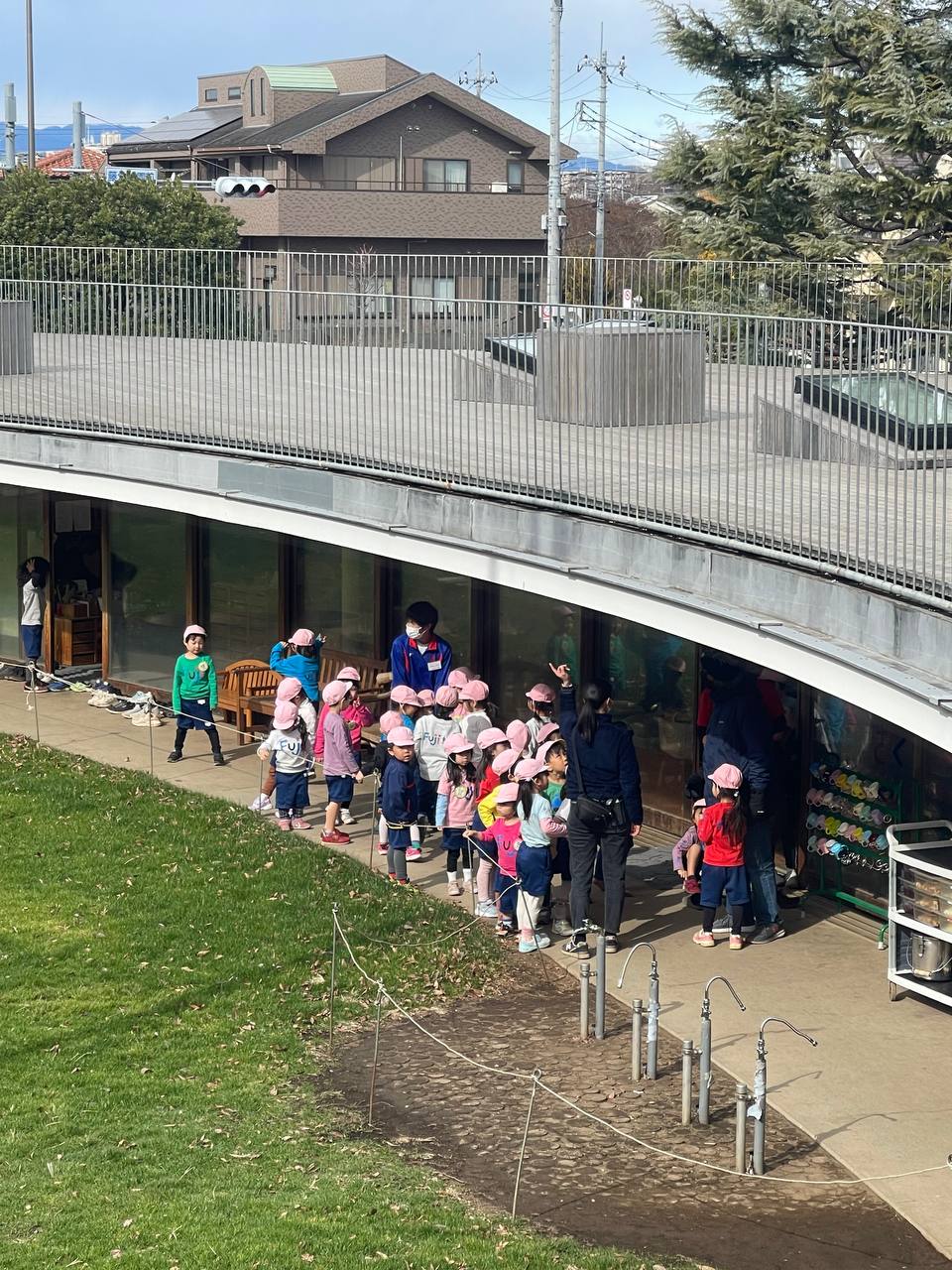
1. Fuji Kindergarten
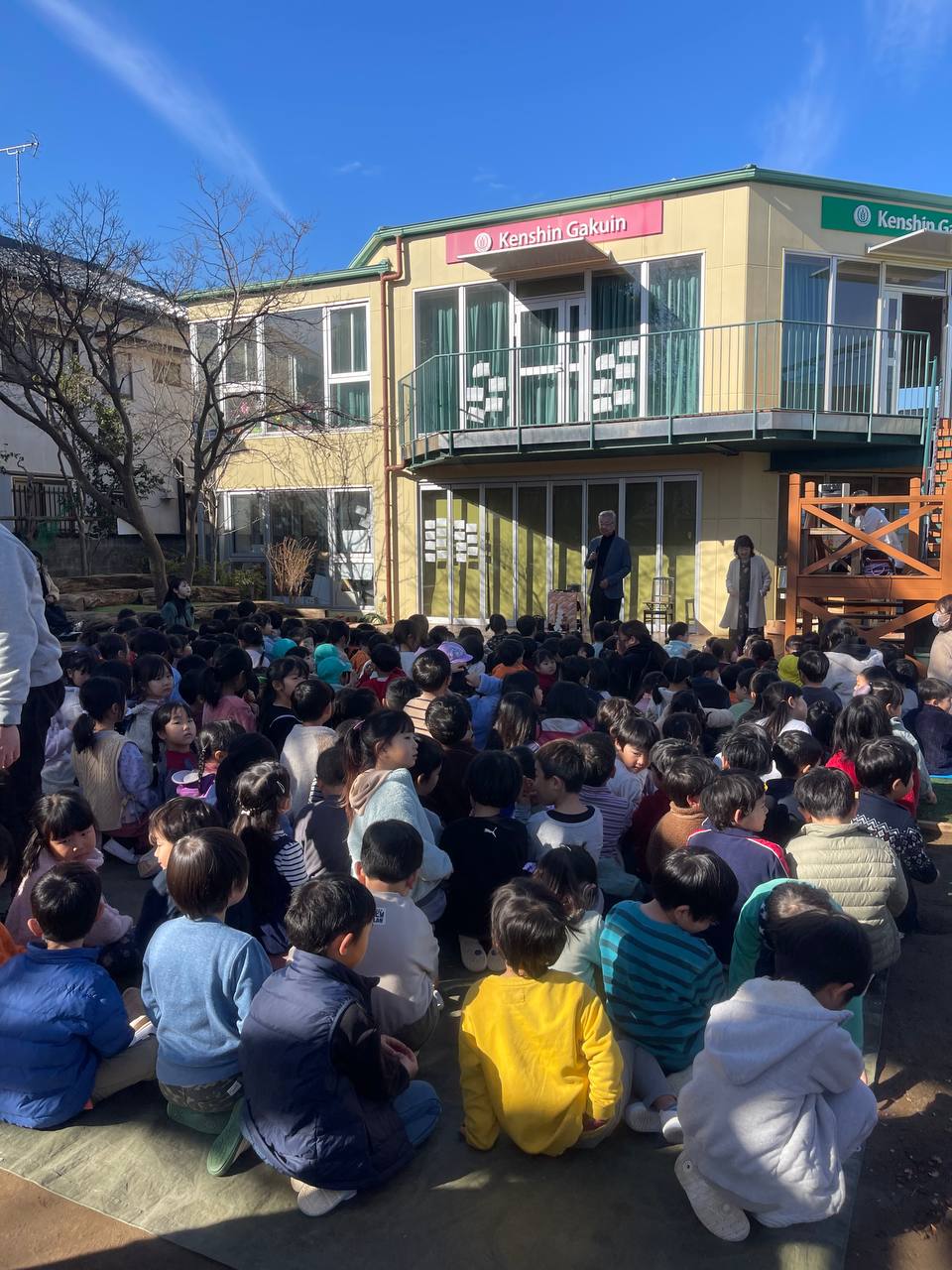
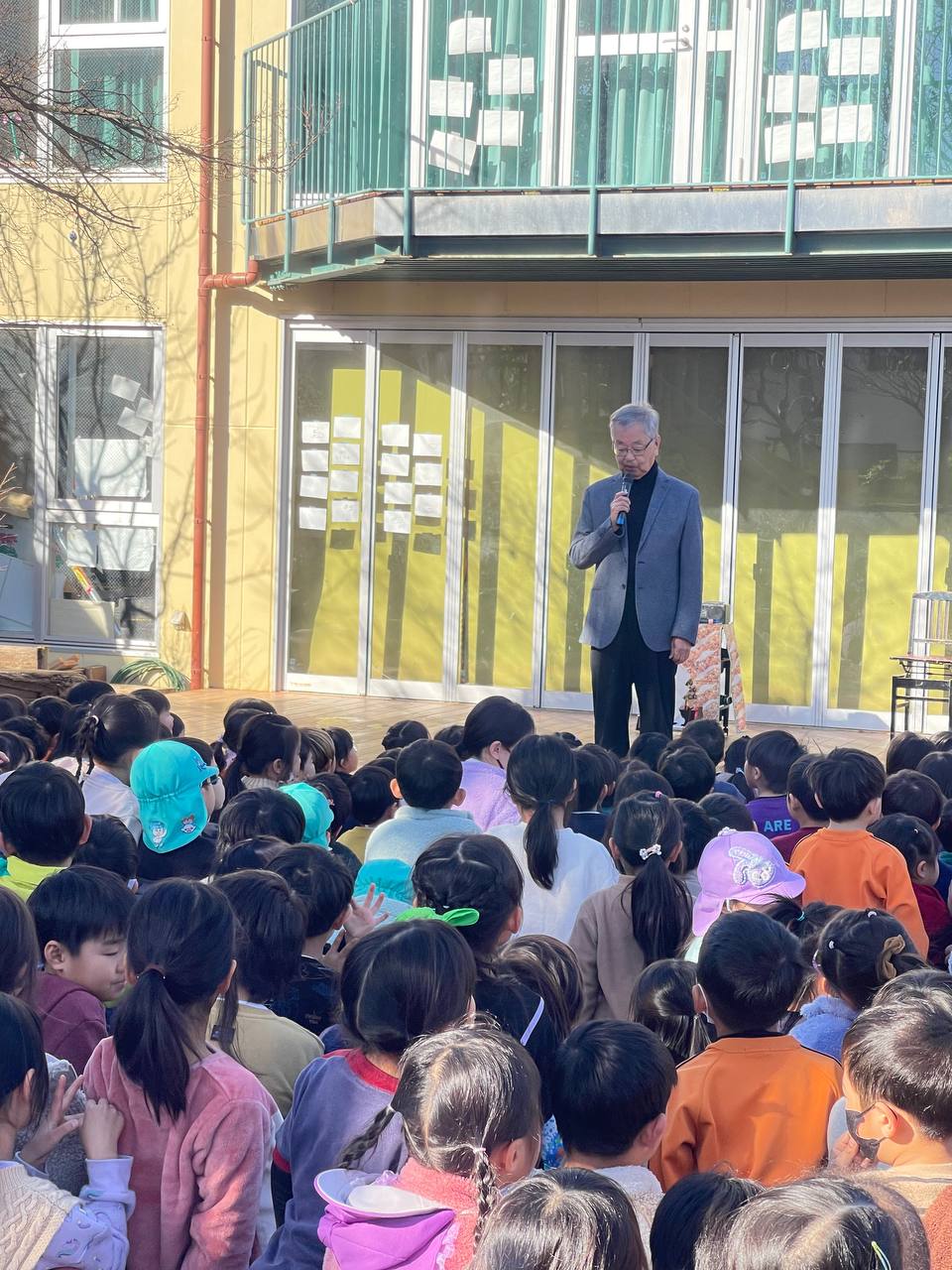
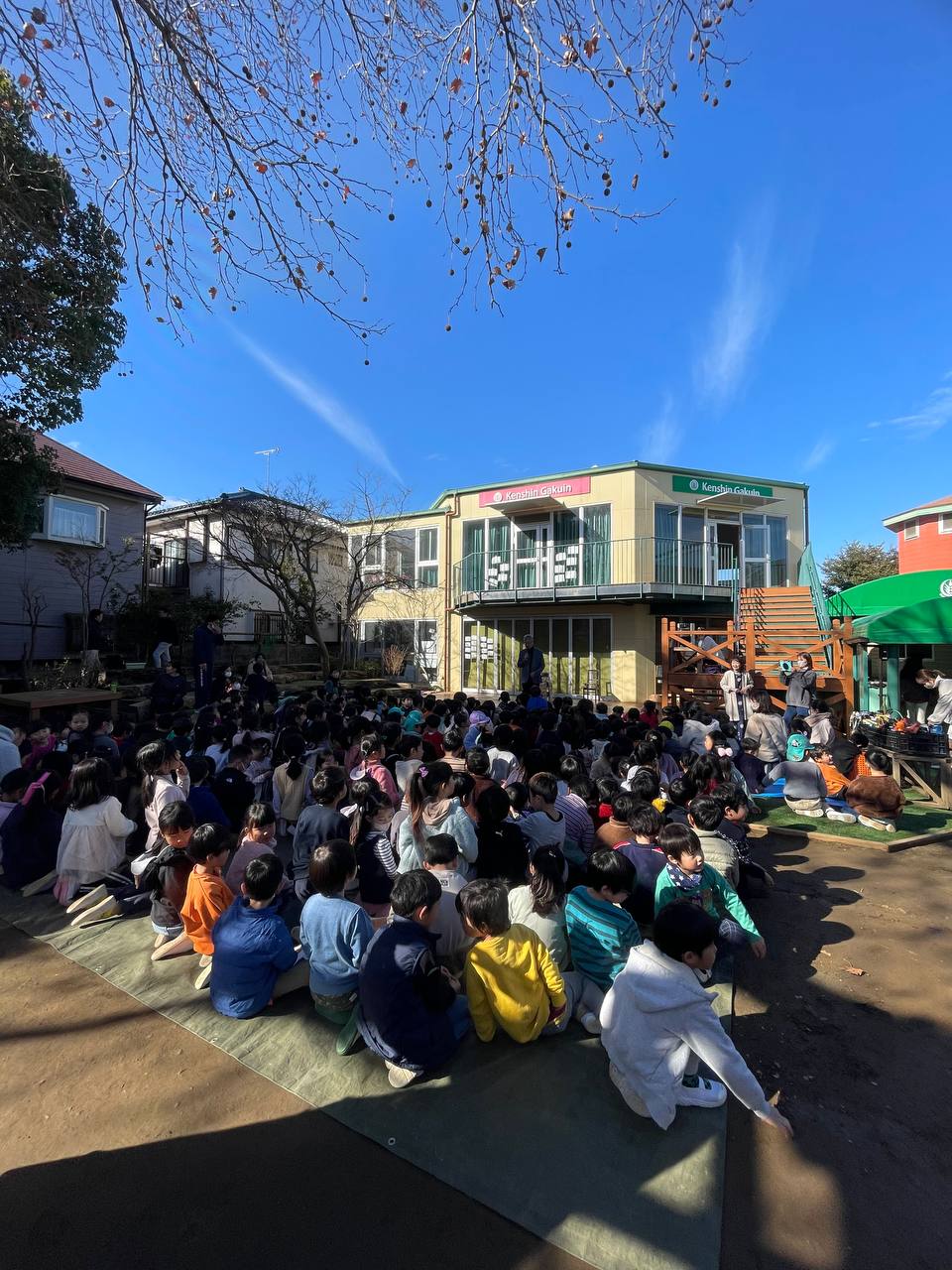
2. Kenshin Gakuin Kindergarten
3. Youchien
4. Ichikawa Municipel Niihama Elementary School
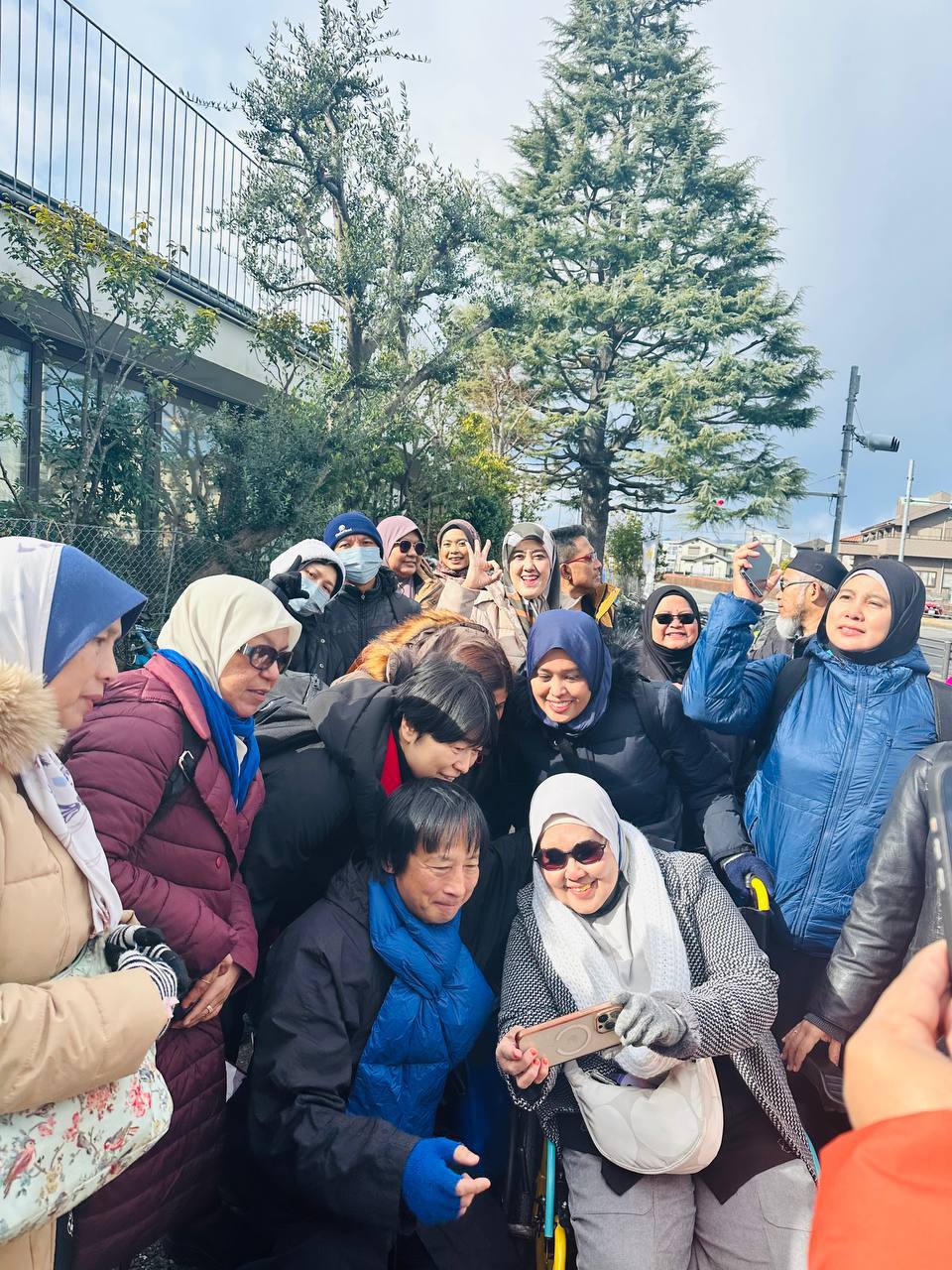
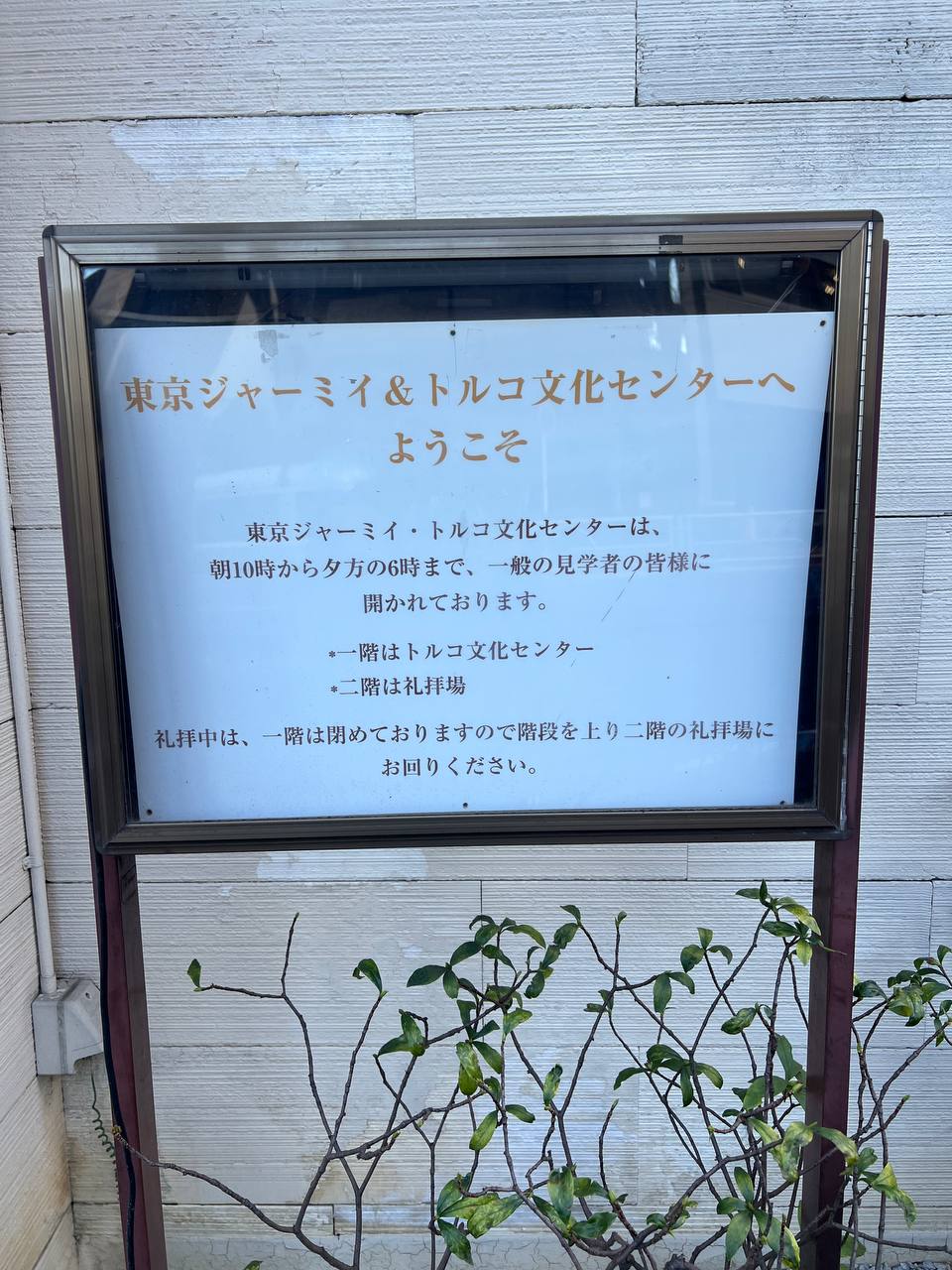
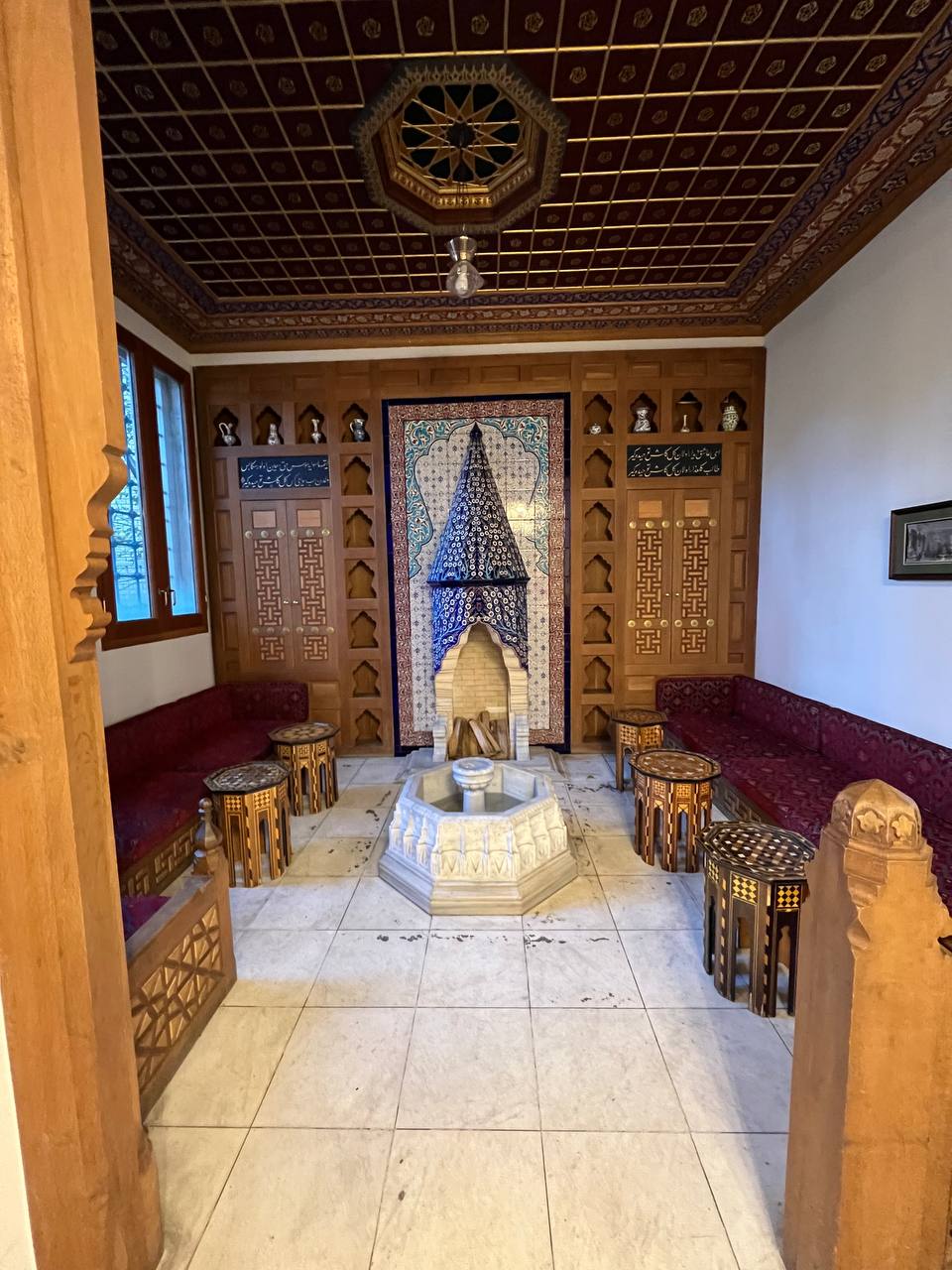
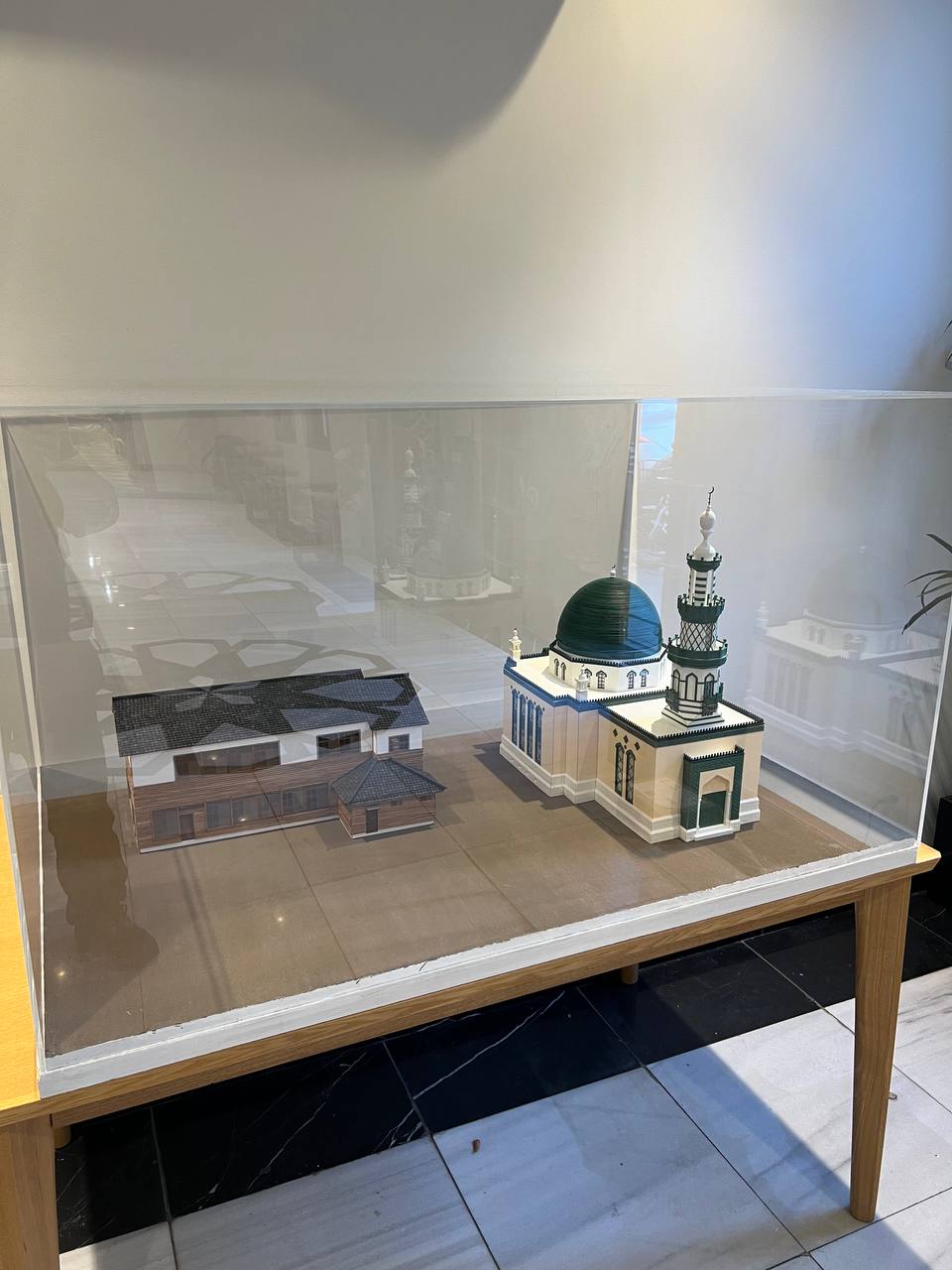
Our staff also visited a local mosque, which offered them a glimpse into how cultural and spiritual practices shape communities in Japan. These experiences allowed Hikari Kids to absorb the essence of their educational philosophies and witness how they are applied in real-time.
Key Takeaways from Our Visit


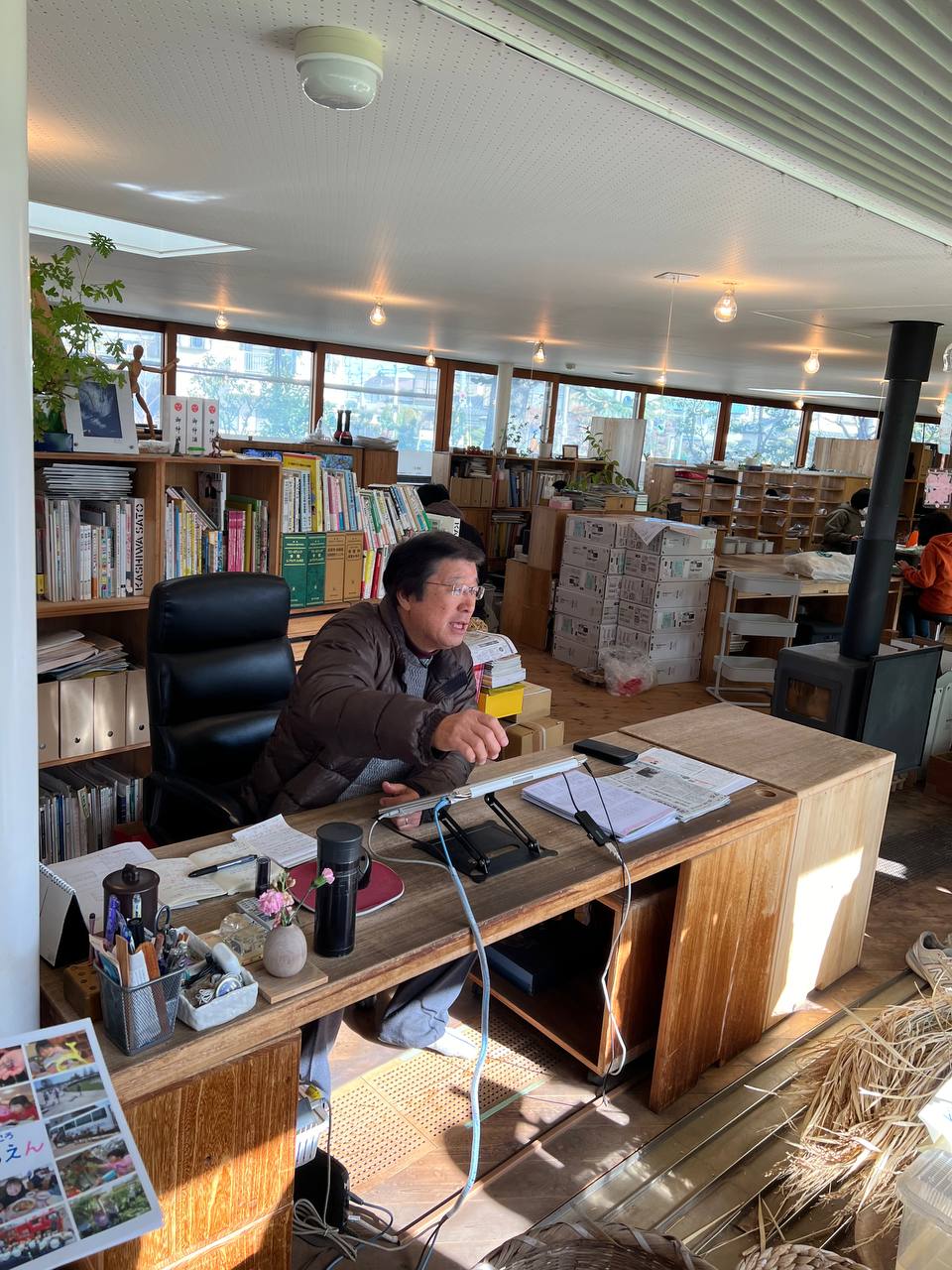
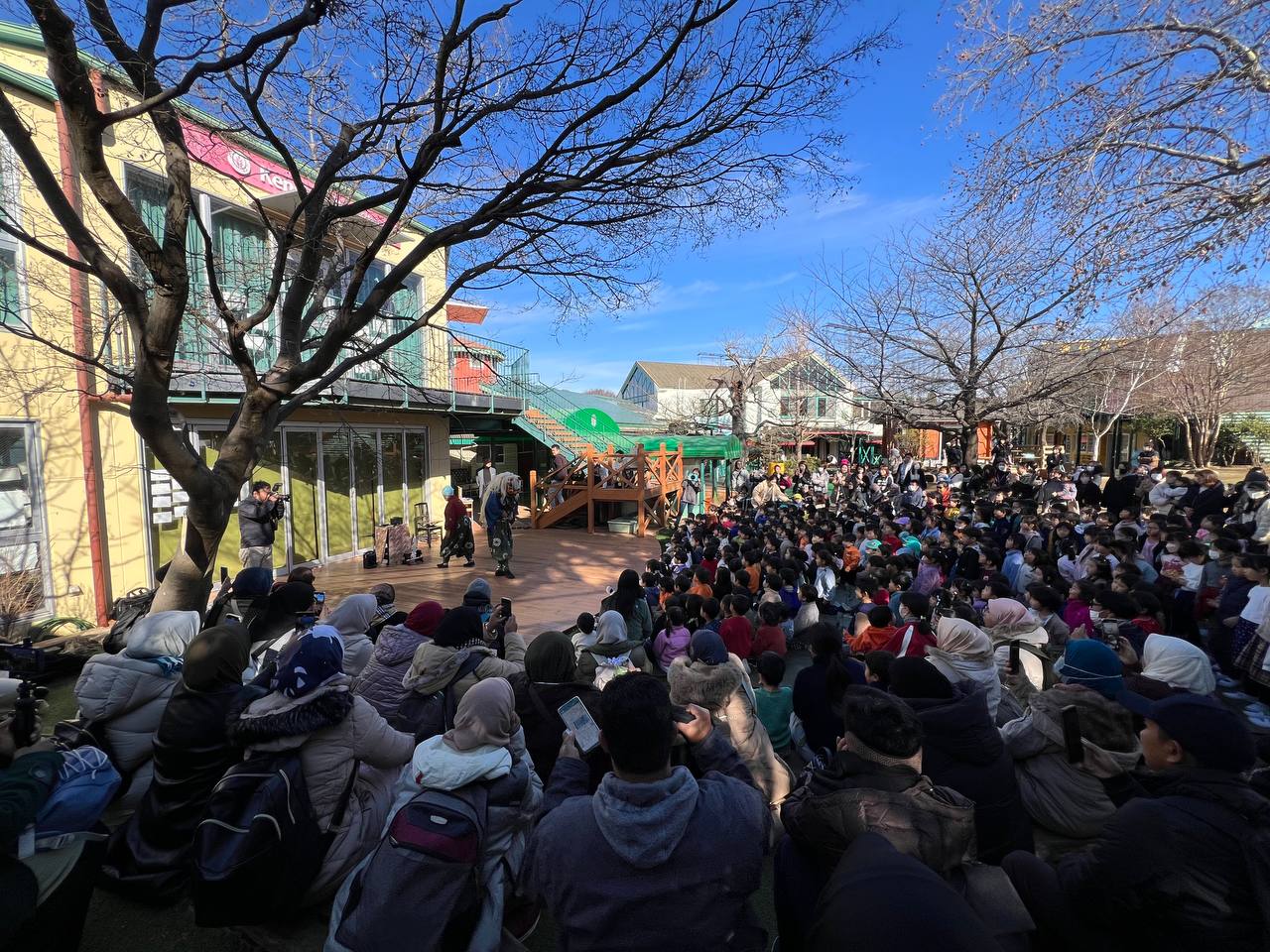
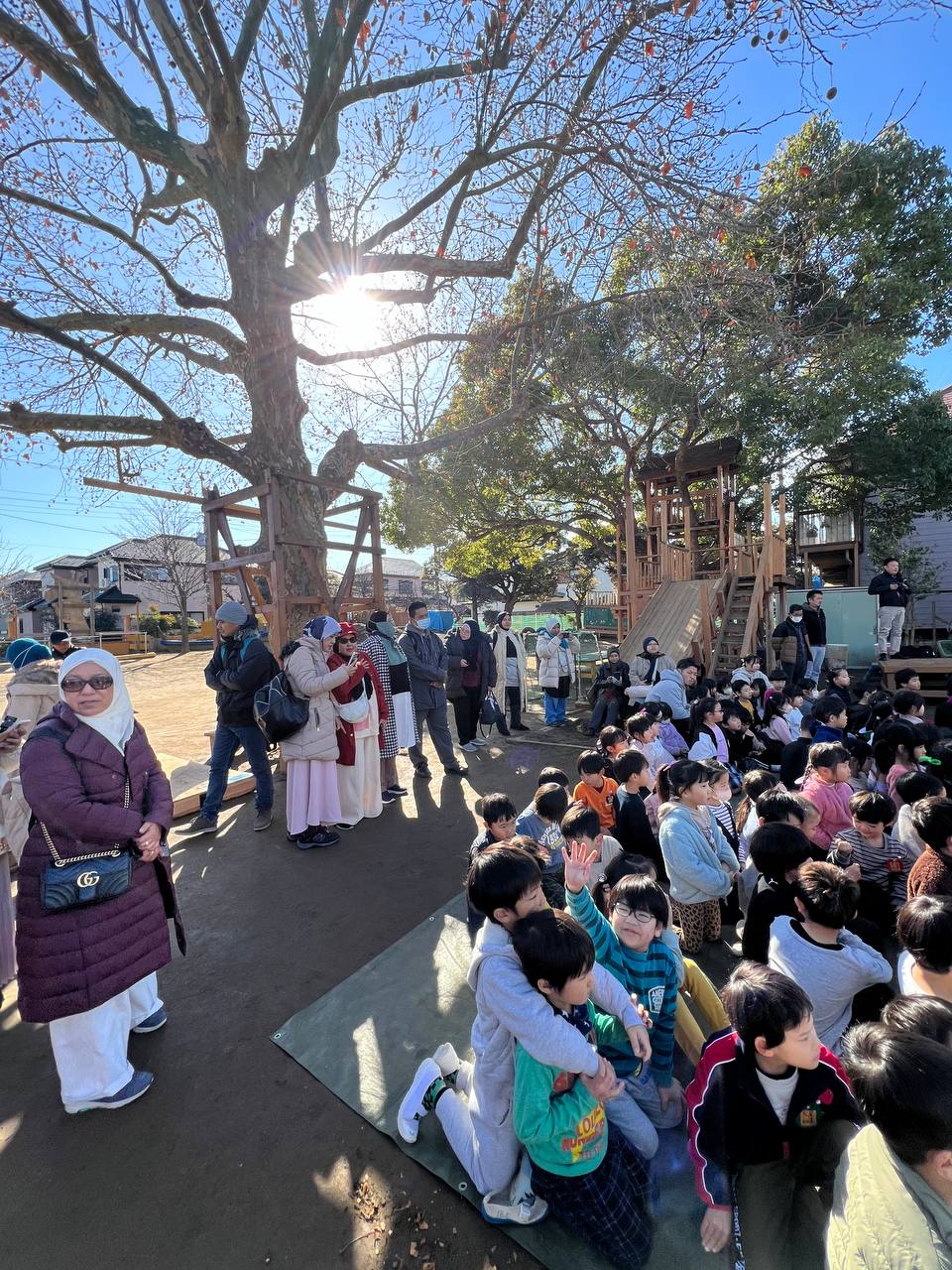

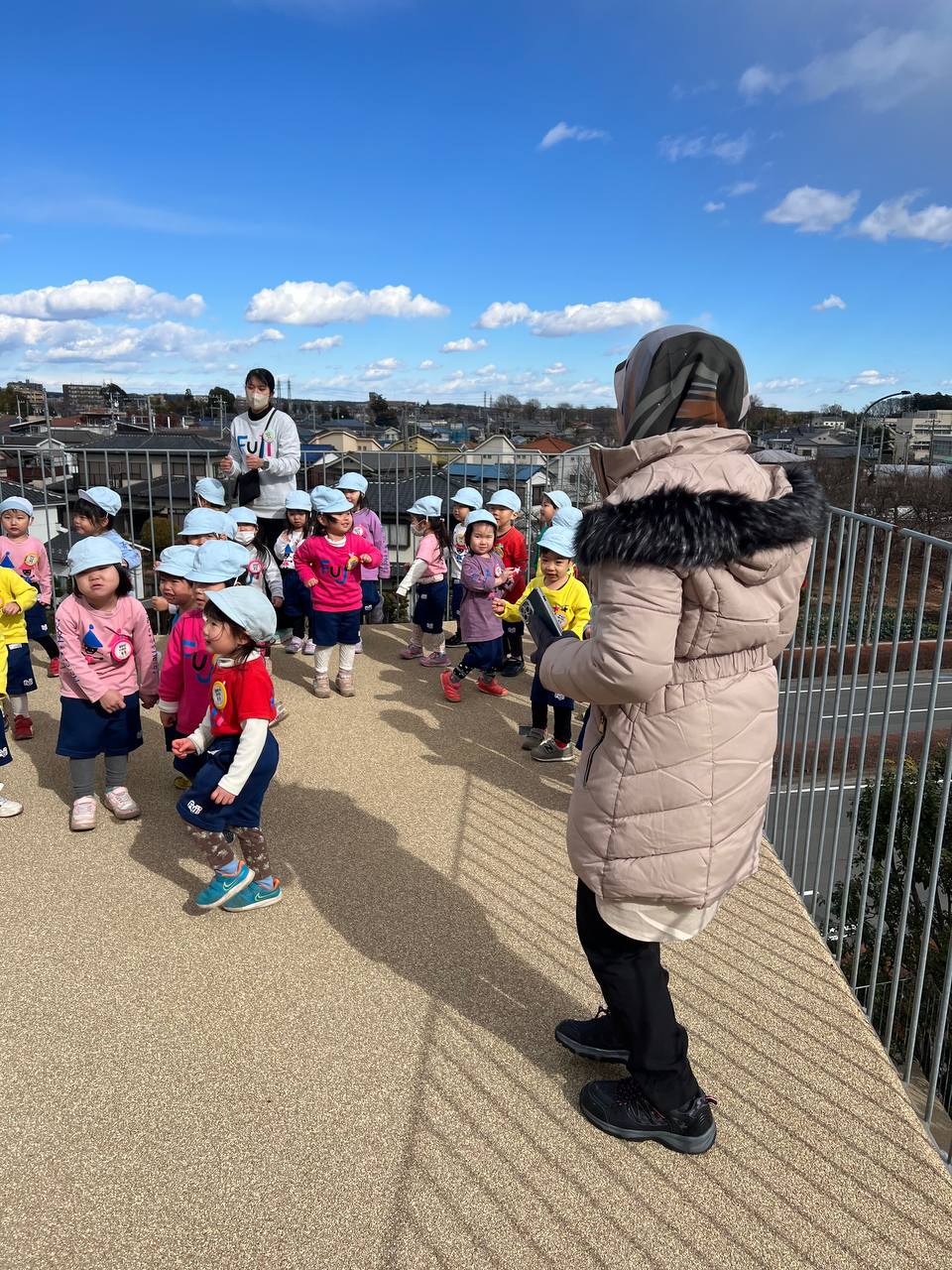




1. The Power of Community
In Japan, kindergartens emphasize the importance of building a strong sense of community among children, teachers, and families. From group activities to shared responsibilities like cleaning the classroom, children are encouraged to work together and contribute to their environment. This fosters a sense of belonging and responsibility from an early age.
Similarly, the visit to the mosque highlighted the strong sense of unity within the Muslim community in Japan. Despite being a minority, the community actively fosters inclusivity and support for one another. This reminded us of the importance of creating a welcoming and inclusive environment in our school.
2. A Focus on Independence
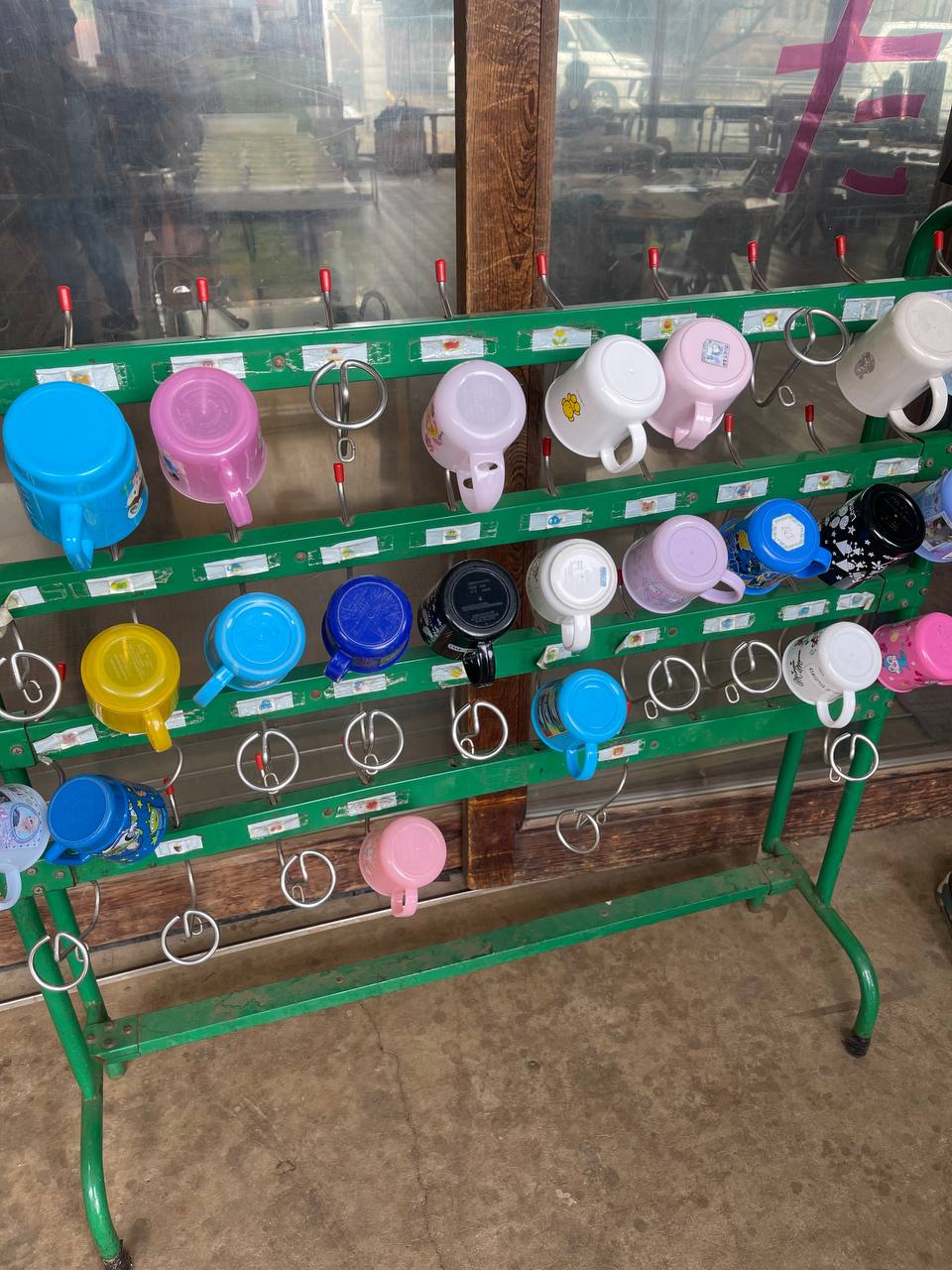
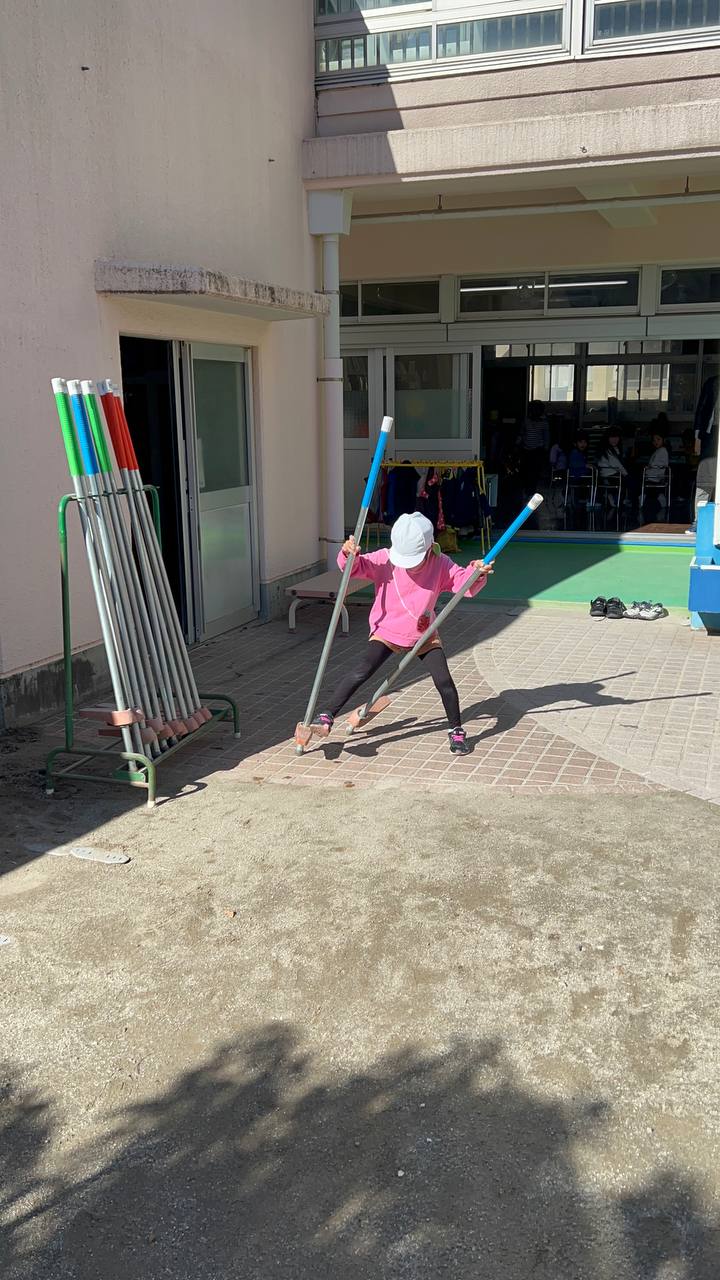
We were inspired by how Japanese kindergartens encourage children to develop independence. From putting on their shoes to serving their own meals, children are given opportunities to practice self-help skills in a supportive environment. This not only boosts their confidence but also prepares them for future challenges.
3. Embracing Nature
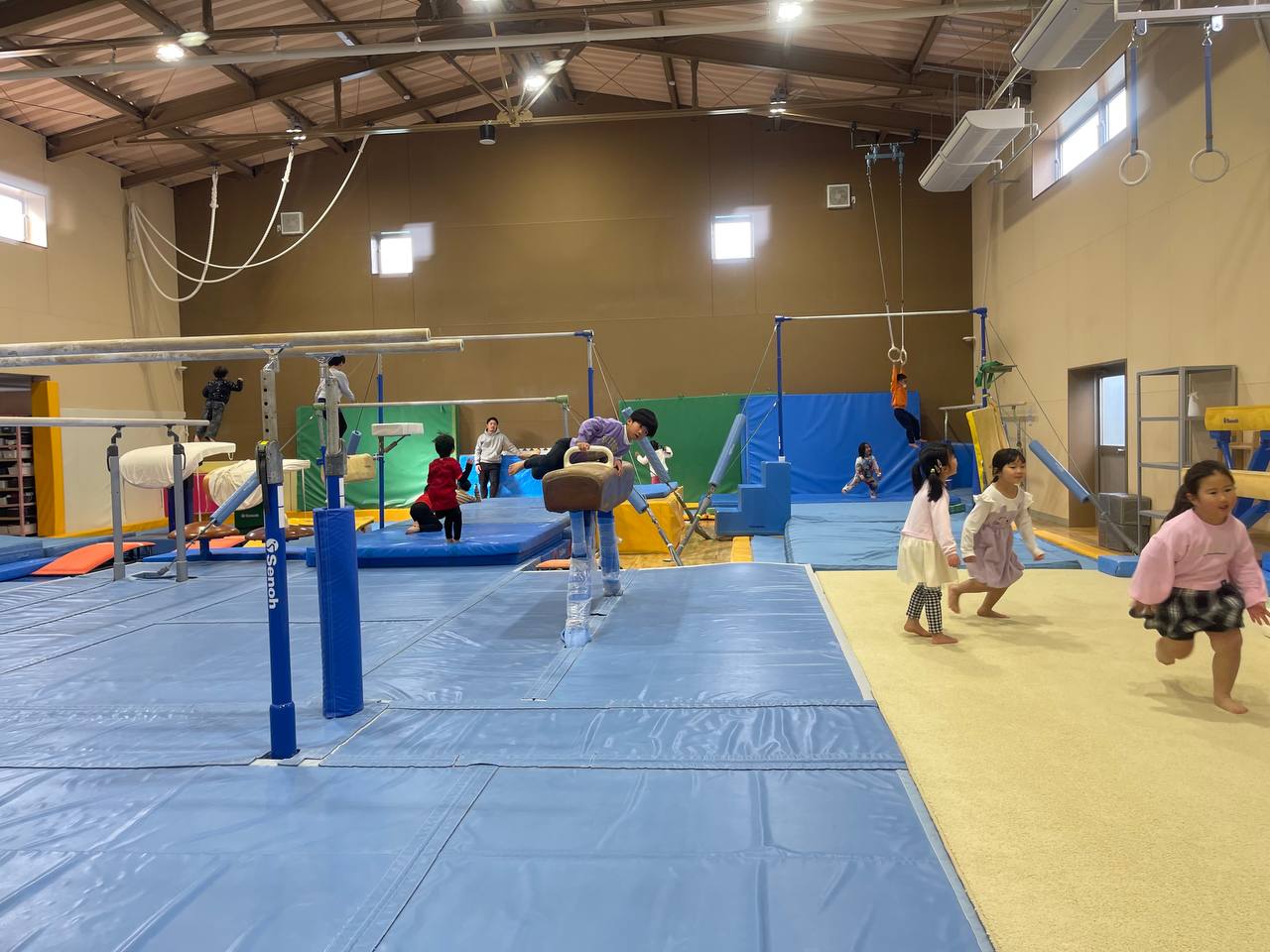
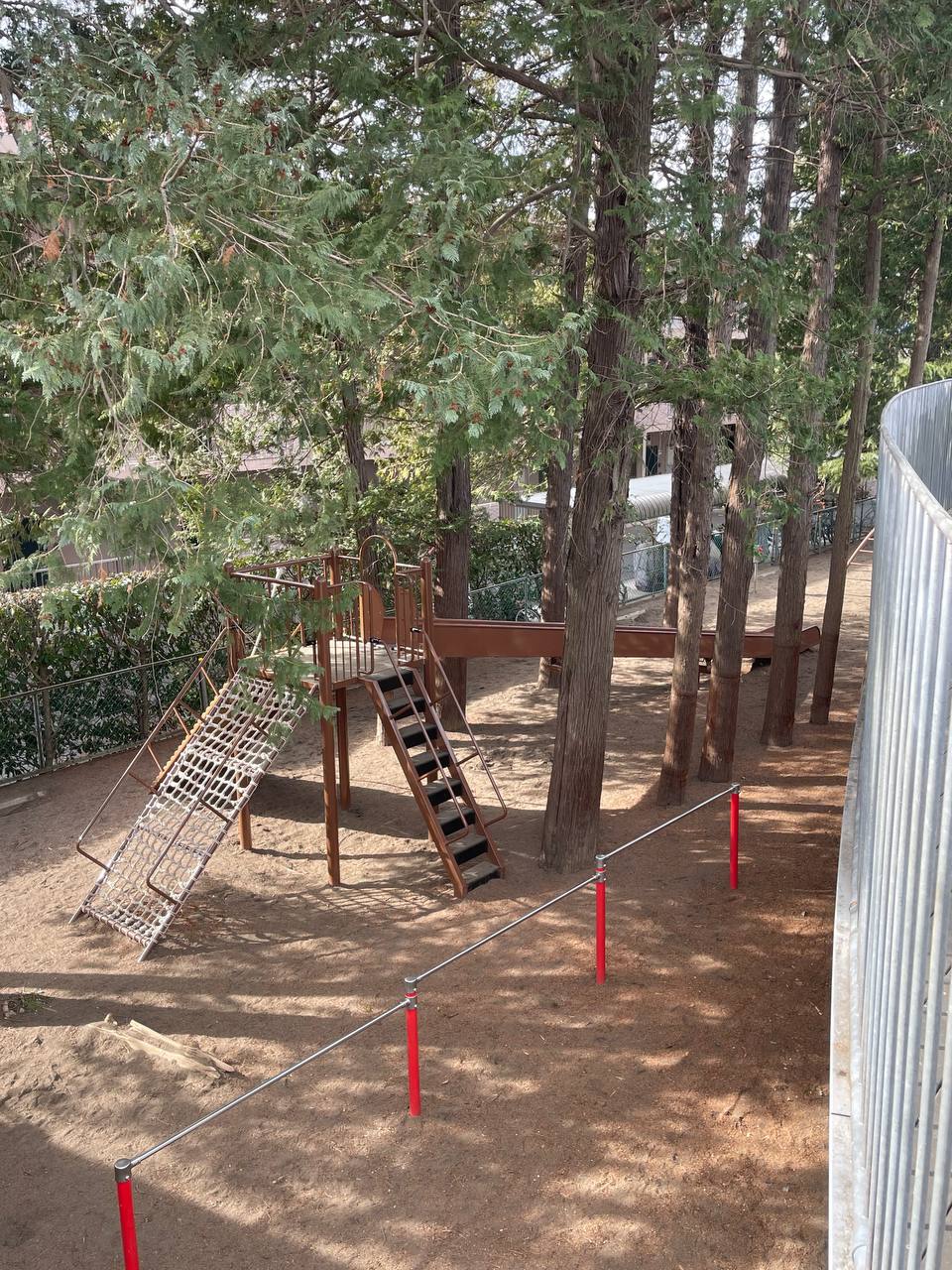
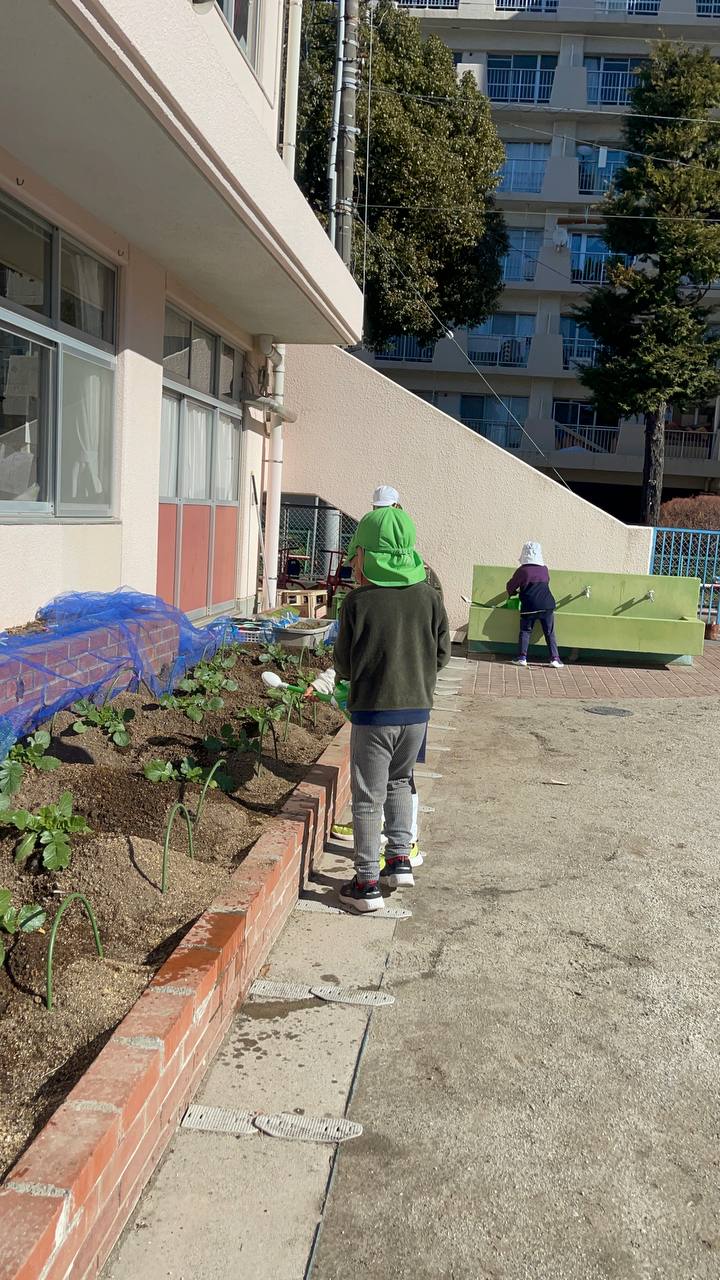
Outdoor play and connection with nature are central to the curriculum. Many kindergartens incorporate gardening, nature walks, and seasonal activities that allow children to explore the world around them. This approach nurtures curiosity and teaches children to appreciate the beauty and importance of the natural environment.
4. Art, Culture, and Creativity
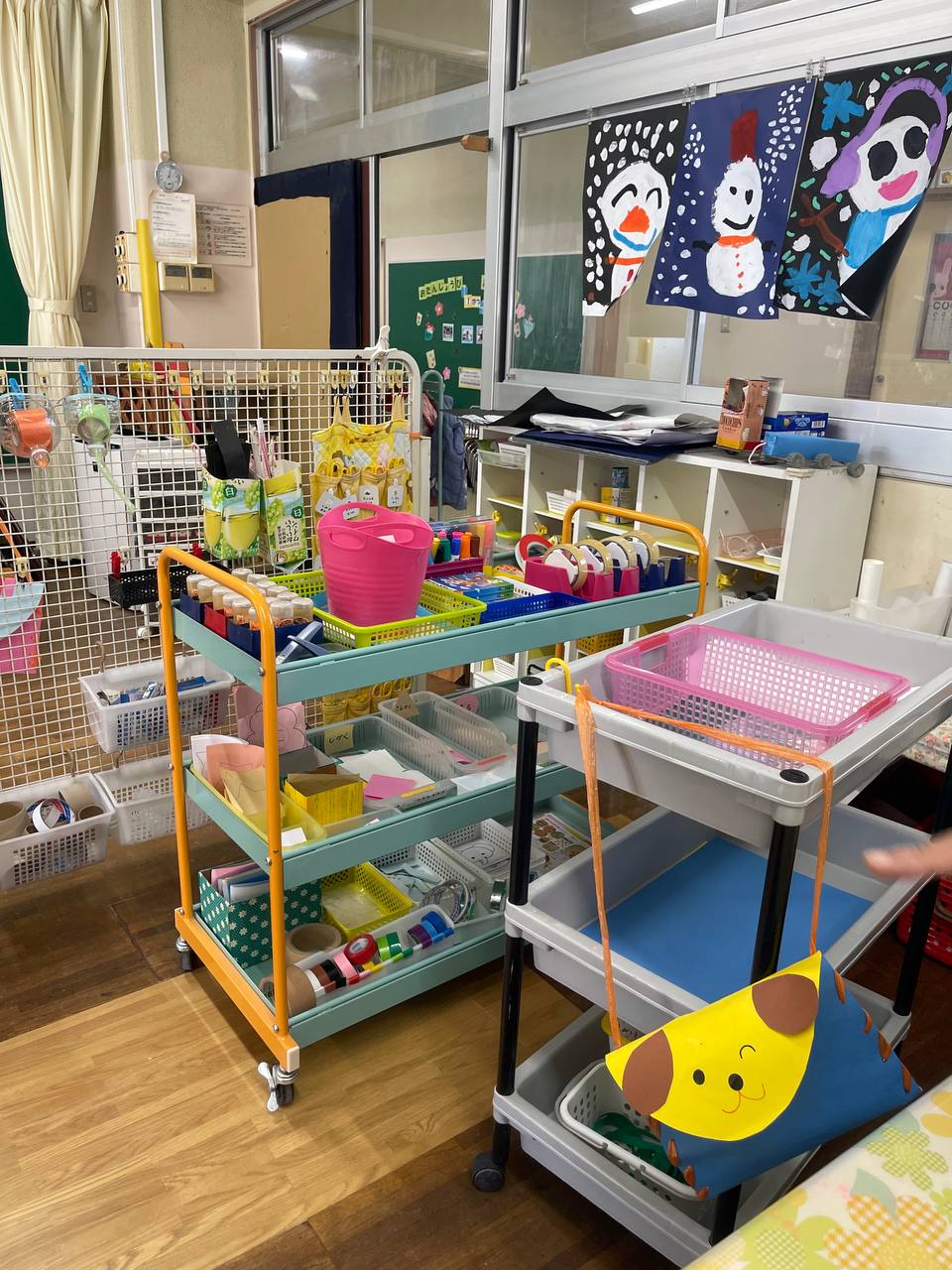
Art and cultural traditions are seamlessly woven into daily learning. From origami and calligraphy to seasonal festivals, children are introduced to creative expressions that celebrate Japan’s rich cultural heritage. These activities not only enhance motor skills but also instill a sense of pride and appreciation for their culture.
5. Gentle Discipline and Respect
Calm and respectful approach to classroom management. Teachers use soft guidance to redirect behavior and model kindness and patience. This fosters a peaceful environment where children feel secure and valued.
 Hikari Kids Preschool